Subject 21 · Thermal Physics
Chapter 21
Thermal Physics
Separate temperature, heat, and internal energy; follow joules through heating and phase change; then move to kinetic theory, gas laws, and molecular speeds.
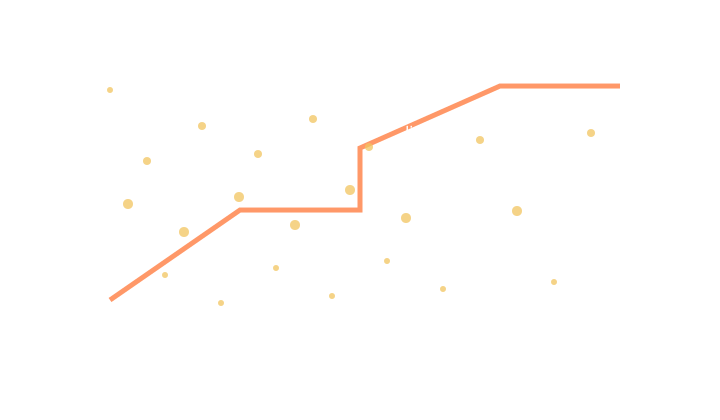
Build thermal physics one idea at a time.
Start with the foundations, then explore advanced ideas and calculus at the depth your course needs.
6 of 6 lessons
Temperature & Internal Energy
Distinguish temperature, heat, internal energy, and absolute zero.
Specific Heat & Latent Heat
Use heating curves, calorimetry, and phase-change plateaus.
The Kinetic Theory of Gases
Build pressure from molecular collisions and temperature from average kinetic energy.
The Gas Laws
Connect Boyle, Charles, and pressure laws through one equation of state.
Molecular Speeds
Read Maxwell–Boltzmann distributions, diffusion, and atmospheric escape.
Thermal Calculus
Model heating rate, Newton cooling, exponentials, and variable heat capacity.
Change one variable. Watch the physics respond.
Explore Q = mcΔT, then take the idea into the full lessons.
Heat a sample
Specific heat fixed at 4200 J kg⁻¹ K⁻¹. Water-like specific heat is used here: 4200 J kg⁻¹ K⁻¹.
Everything around the chapter, in one place.
Keep building with practice, classroom presentations, formulae, and a game that puts these ideas to work.
Exam practice
Questions, guided reasoning, and exam-style problem solving.
Browse exam questions →Formula toolkit
Keep the key relationships and their units close to hand.
Review formulae →Members · Classroom presentationClassroom slides
Reveal lesson ideas, examples, and checks in full-screen classroom mode.
Open slides →Lesson files
Find downloadable teaching resources and worksheets in the library.
View files →Phase Chase
Q = mcΔT + mL. Reach a target temperature and phase before the energy budget or clock runs out.
Play the free chapter game →See it. Read it. Work it.
Connect diagrams to physical relationships and exam reasoning.
Explore diagrams →Guided support
Ask for a hint, check your reasoning, or explore a similar problem.
Ask GioAI →Key ideas to remember
Move without losing your place.
Extra challenging questions
Take the ideas further with course-specific extension questions, supplied-data graphs and worked solutions.